Assisted Living vs. Skilled Nursing: How to Know Which Level of Care Is Right
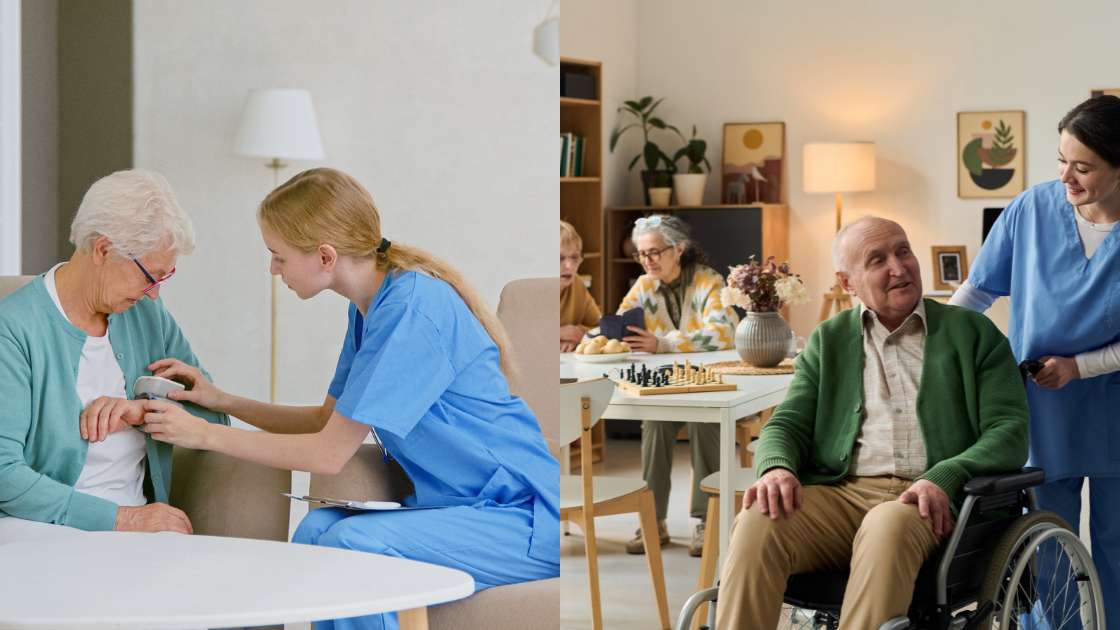
One of the most common questions families ask when exploring senior living is, "How do I know if my loved one needs assisted living or skilled nursing care?"
The answer isn't always as straightforward as people expect. Many families assume that needing a wheelchair, assistance with daily activities, or even a diagnosis of dementia automatically means a move to a nursing home is necessary. Assisted living and memory care communities can often support a much wider range of needs than many realize.
Understanding the differences can help families make informed decisions and find the right level of support for their loved one.
Understanding the Different Levels of Care
While the terms are sometimes used interchangeably, assisted living, memory care, skilled nursing, and long-term nursing home care are designed to serve different needs.
Assisted Living
Assisted living is designed for older adults who could benefit from support with daily activities while maintaining as much independence as possible. Residents receive personalized assistance while continuing to enjoy a vibrant lifestyle, social opportunities, and the comfort of a residential community.
Memory Care
Memory care is a specialized form of assisted living for individuals living with[AR1] Alzheimer's disease or other forms of dementia. These neighborhoods provide additional supervision, structured routines, dementia-focused programming, and caregivers trained to support cognitive changes. The Varietas® Memory Care Program by Traditions is our unique, specialized program for individuals living with Alzheimer’s or other age-related dementias. The mission of Varietas® is to maintain independence and improve quality of life by focusing on environment, engagement, and education. Learn more about our positive approach to memory care.
Skilled Nursing
Skilled nursing facilities provide a higher level of medical care for individuals who require ongoing nursing services, rehabilitation, or clinical monitoring that cannot be safely provided in an assisted living setting.
Long-Term Nursing Home Care
Long-term nursing care is designed for individuals who require ongoing nursing facility services and, in some cases, complex medical care over an extended period of time.
An important distinction: Having nurses on staff does not automatically make a community a skilled nursing facility. Licensing requirements, clinical capabilities, staffing, and resident care needs all play a role in determining the level of care a community provides.
How Much Care Can Assisted Living and Memory Care Provide?
Families are often surprised by the level of support available in assisted living and memory care communities.
Depending on the community, state regulations, and an individual's assessment, services may include:
- Assistance with bathing, dressing, grooming, and other activities of daily living
- Medication management and administration
- Mobility assistance, including support with walkers, wheelchairs, and transfers
- Help with personal hygiene and incontinence care
- Assistance with meals, hydration, and daily routines
- Additional caregiver support as physical needs change
- Specialized dementia support, supervision, and structured programming in memory care
- Coordination with outside healthcare providers, including physical therapy, occupational therapy, home health, and hospice services when appropriate
It's important to remember that needing a wheelchair, requiring assistance with multiple daily activities, or having a dementia diagnosis does not automatically mean skilled nursing care is necessary. Every person is unique, and care needs should be evaluated individually by the community's care team.
The Benefits of Assisted Living and Memory Care
For many older adults, assisted living and memory care offer more than support with daily tasks. They provide an opportunity to maintain quality of life in a setting designed around comfort, connection, and engagement.
Some of the key benefits include:
Independence with Support
Residents receive help when needed while maintaining choice, dignity, and independence in their daily routines.
Meaningful Social Connections Through Socialization
From shared meals and activities to new friendships and community events, residents have regular opportunities to stay connected and engaged. Socialization is one of our Core Values. Purposeful interaction with family, staff and other residents promotes friendships and activities that maximize quality of life. This focus on connection brings meaningful interactions to our residents and their families.
Personalized Care Through Choices
Care plans are tailored to each resident and can be adjusted as needs evolve over time. Choices is one of our Core Values. Residents must have the ability to make choices regarding their daily life to maximize a sense of self-worth. Choices empower our residents to enjoy a customized, meaningful way of living.
A Residential Environment
Unlike a clinical setting, assisted living communities are designed to feel like home, offering comfort, convenience, and daily support in a welcoming environment.
Specialized Dementia Support
Memory care residents benefit from structured routines, dementia-trained caregivers, and programs designed to support cognitive wellness. The Varietas® Memory Care Program by Traditions is our unique, specialized program for individuals living with Alzheimer’s or other age-related dementias. The mission of Varietas® is to maintain independence and improve quality of life by focusing on environment, engagement, and education. Learn more about our positive approach to memory care.
Peace of Mind for Families
Knowing support is available around the clock can provide reassurance while reducing the stress of coordinating daily care needs alone.
Can Residents Age in Place?
A common concern for families is whether moving into assisted living means another move will be needed later.
In many cases, the answer is no.
Many residents can remain in assisted living or memory care as their needs change over time. Through ongoing assessments and individualized service plans, communities can often increase the level of support provided as residents require additional assistance.
Residents may also receive services from outside healthcare providers, allowing them to access certain therapies or medical services without leaving the community they call home.
There are situations, however, when a transition to skilled nursing becomes necessary, particularly if a person's medical needs exceed the community's licensing, staffing capabilities, or ability to provide care safely.
The goal is always to help residents remain in a familiar environment for as long as their needs can be safely and appropriately met.
When Is Skilled Nursing the Right Choice?
There are circumstances in which skilled nursing care may be the most appropriate option.
Examples can include:
- Complex medical treatments that require frequent skilled nursing intervention
- Certain advanced wound care needs
- IV therapy or specialized medical procedures
- Intensive inpatient rehabilitation following a hospitalization
- Medical conditions that require a higher level of clinical monitoring than an assisted living community can provide
The need for skilled nursing should be based on an individualized clinical assessment and overall care needs, not on a diagnosis alone.
Finding the Right Fit Starts with a Conversation
Every senior's situation is different. What works for one person may not be the best choice for another.
That's why the best place to start is with a conversation and a professional assessment. By understanding an individual's medical needs, abilities, preferences, and goals, families can make a confident decision about the level of care that will provide the right balance of support, independence, and quality of life.
Whether someone is considering assisted living, memory care, or skilled nursing, asking questions and exploring options can help ensure they receive the care they need in an environment where they can thrive.
Related Articles